

As patients confront the multifaceted difficulties of obese-level weight control, they often weigh a defining choice between medical options like gastric sleeve surgery and diverse treatment pathways. The surgical, often called the laparoscopic VSG, certainly gained significant traction because of its proven efficacy and relatively straightforward recovery process. Nevertheless, it is not necessarily stand in a bubble, and prospective candidates should carefully compare it versus alternative non-surgical as well as other surgical solutions to identify which strategy corresponds with their unique medical needs and lasting lifestyle goals.
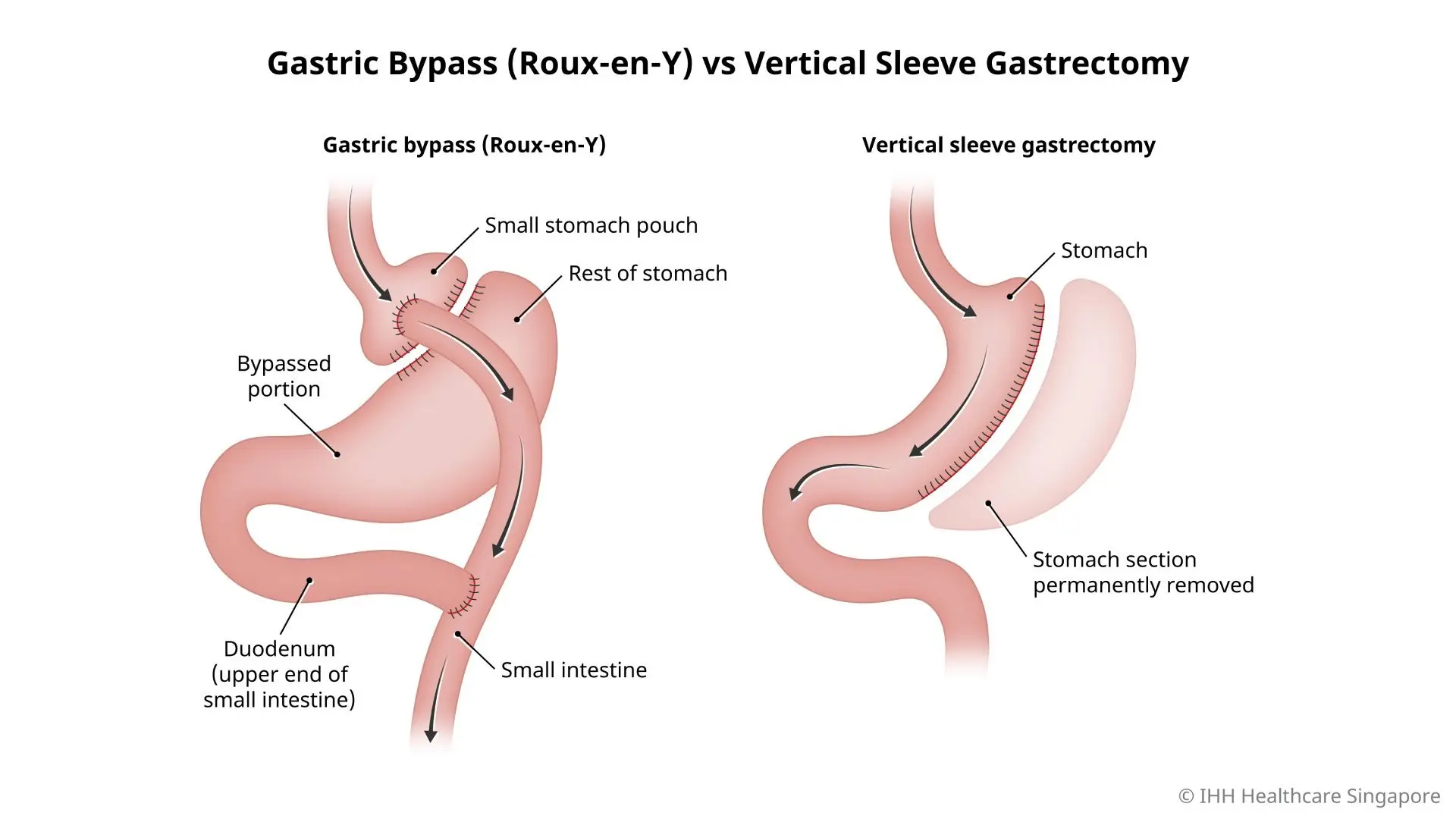
A sleeve gastrectomy involves irreversibly excising a large portion of the stomach, creating a restricted tube-shaped pouch. Such a physical alteration serves to significantly limit food intake while altering metabolic responses that regulate hunger and fullness. Because the organ is physically smaller, patients naturally feel satisfaction far earlier during meals. In addition, the excision of the fundus of the organ effectively reduces the secretion of the hunger hormone, a key hormonal factor in driving cravings. These synergistic mechanisms offer a robust advantage for weight reduction, particularly for those who have attempted countless traditional dietary and fitness regimens failing to achieve lasting results.
In contrast, lifestyle-based treatments typically center on holistic lifestyle modification, medically monitored diet loss programs, and ever more potent pharmacological therapies. Lifestyle interventions emphasize dietary restructuring, physical activity, and mental health support to tackle the underlying causes of obesity. Whereas such non-invasive paths demand significant discipline and effort, they present lower short-term operating risks. Newer obesity management drugs, including GLP-1 agonists, have furthermore changed the non-operative field, delivering notable weight mass reduction by replicating biological satiety signals inside the physiology. These medications often act as a realistic middle ground for those who may are unable to undergo surgery or choose a non-permanent drastic strategy.
Another surgical group consists of procedures such as the gastric bypass, a surgery that combines restrictive components with malabsorptive techniques. By bypassing a section of the small intestine, this operation further reduces the system's ability to absorb calories and fat. Although the gastric bypass typically leads to more rapid weight loss and stands highly successful for managing co-morbidities like type 2 diabetes, it is a slightly involved procedure than the gastric sleeve with may entail greater potential for complications of chronic dietary shortfalls. Consequently, deciding among these surgical options requires a nuanced consultation with a bariatric specialist to balance the individual pros and the potential limitations associated with every individual procedure.

Ultimately, the analysis between sleeve gastrectomy and alternative weight reduction treatments cannot be reduced to a single either-or selection. Every individual's health history, psychological readiness, lifestyle commitments, and targeted weight objectives must guide the selection journey. For some patients, the transformative nature of sleeve gastrectomy yields the necessary foundation for sustained health transformation. Regarding others, a dedicated wellness program complemented by modern medication therapies may be the preferred initial course. Consulting with a comprehensive medical team—including weight management surgeons, nutritionists, and psychologists—is the single important measure every candidate can initiate on their path to guarantee the best plus most lasting outcome for their specific health journey. By thoroughly weighing the available operative or conservative alternatives, patients empower themselves to make an educated decision that supports enduring mass reduction and enhanced metabolic health.